
The Uravan Mineral Belt
Historical Context of the Uravan Mineral Belt and Its Importance to Domestic USA Uranium Production
Early Discoveries and Vanadium Production
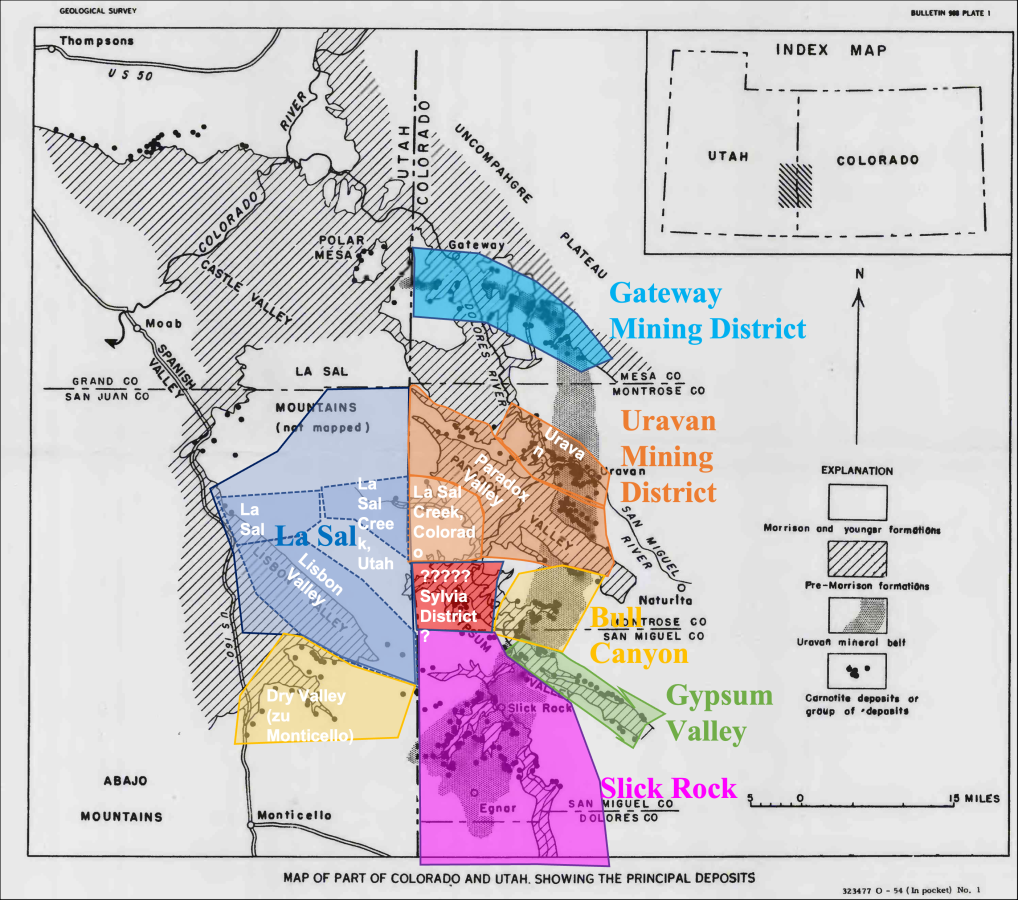
The Uravan Mineral Belt, spanning southwestern Colorado and southeastern Utah, has a rich history of mineral exploration and production. The region’s significance was first recognized in the early 20th century with the discovery of vanadium, a mineral essential for strengthening steel. These initial discoveries set the stage for the area’s later prominence in uranium production.
Uranium Boom and the Manhattan Project
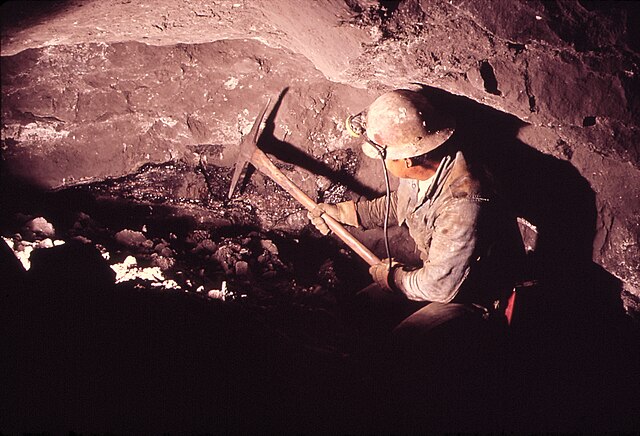
The true potential of the Uravan Mineral Belt was unveiled during the 1940s, a period marked by global conflict and the quest for advanced military technologies. As World War II escalated, the demand for uranium surged due to its crucial role in the development of nuclear weapons. The Manhattan Project, the United States’ top-secret endeavor to build the atomic bomb, significantly increased the urgency for uranium. The Uravan Mineral Belt became a focal point for uranium extraction, with its rich deposits playing a key role in supplying the raw materials needed for the project.
Cold War Era and the Nuclear Energy Boom
Following World War II, the onset of the Cold War further intensified the demand for uranium. The United States government, recognizing the strategic importance of maintaining a robust nuclear arsenal, continued to prioritize domestic uranium production. The Uravan Mineral Belt, with its abundant and easily accessible uranium deposits, remained a critical source. Towns like Uravan, Colorado, flourished as mining hubs, providing employment and contributing to the local economy.
During this period, the focus also shifted towards the peaceful use of nuclear energy. The development of nuclear power plants created a sustained demand for uranium, ensuring that the Uravan Mineral Belt continued to play a vital role in the nation’s energy strategy. The region’s uranium was essential not only for defense purposes but also for generating electricity to meet the growing energy needs of post-war America.
Decline and Environmental Impact
The 1980s brought significant changes to the uranium industry. Market fluctuations, regulatory changes, and the decreasing profitability of uranium mining led to a decline in operations within the Uravan Mineral Belt. Many mines were closed, and the once-thriving mining communities faced economic challenges.
In addition to economic factors, environmental concerns began to take center stage. The legacy of extensive mining activities left environmental impacts that required attention. Efforts to address issues such as land degradation, water contamination, and radioactive waste management became crucial components of the region’s transition from an active mining area to one focused on reclamation and environmental stewardship.
Legacy and Modern Importance
Today, the Uravan Mineral Belt remains an area of historical and strategic significance. The region’s legacy is preserved through ongoing reclamation projects and efforts to restore the environment. The knowledge and experience gained from decades of mining continue to inform modern exploration and extraction techniques.
As the global demand for clean energy grows, the Uravan Mineral Belt’s potential for future uranium production remains relevant. Advances in mining technology and a renewed focus on sustainable practices position the region as a possible contributor to the resurgence of nuclear energy as a vital component of the United States’ energy portfolio. The Uravan Mineral Belt, with its rich history and strategic importance, stands as a testament to the enduring significance of domestic mineral resources in shaping the nation’s past, present, and future.


 Liberty Uranium Corporation